‘Hernandina’ clementine
Citrus × clementina ‘Hernandina’ — the late Spanish clementine
The clementine that extends the season into late winter while remaining a true clementine, distinct from modern late mandarin hybrids.
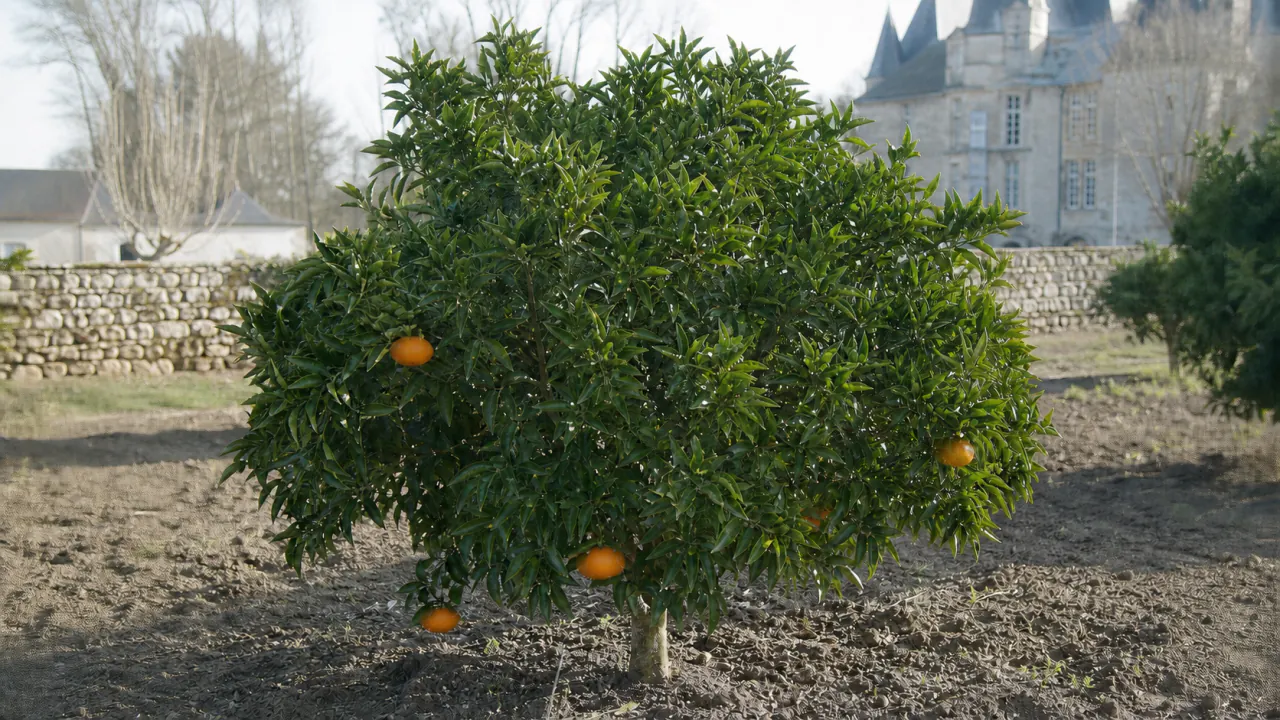
Hernandina is a late mutation of the Fina clementine selected in Spain. Its purpose in a collection is simple: to extend the clementine season beyond mid-season cultivars and into winter. The fruit is sweet, juicy and easy to peel. Its identity matters: this is a true clementine, not a modern late mandarin hybrid such as Nadorcott, Tango or Orri.
It closes the clementine sequence after early Oroval, parthenocarpic Marisol, mid-season Clemenules and the common clementine.
Reliable points to check before buying
Extending the season without leaving the clementine group
Choose Hernandina when you want clementines after the mid-season crop has finished. A spontaneous mutation of Fina, it ripens substantially later while retaining the familiar sweet, juicy, easy-peel profile. This distinguishes it botanically and horticulturally from late mandarin hybrids.
Spanish primary records describe fruit as practically seedless when no cross-pollination occurs. Compatible pollen can introduce pips. Fruit colouring progresses from the stalk end and the stylar end may retain a green halo even at maturity, so judge internal maturity and flavour rather than colour alone. Do not leave ripe fruit on the tree indefinitely: juice and acidity may decline. Match the rootstock to the soil and confirm the exact combination with the nursery.
Hernandina through the year: a late crop in ground or pot
Plant outdoors only in a mild climate; elsewhere overwinter it under cover in a container (F3). Late maturity exposes fruit to winter cold, making protection decisive.
| Jan | Feb | Mar | Apr | May | Jun | Jul | Aug | Sep | Oct | Nov | Dec | |
|---|---|---|---|---|---|---|---|---|---|---|---|---|
| Plant outdoors (mild districts) | ||||||||||||
| Protect late fruit / overwinter the pot | ||||||||||||
| Move the pot outdoors | ||||||||||||
| Fragrant spring flowering | ||||||||||||
| Pick (late winter; judge by taste) | ||||||||||||
| Feed with a citrus fertiliser |
A late Hernandina crop with good eating quality
How fruit holds on the tree
Because fruit remains through winter, check its condition and exposure to cold. Both determine final eating quality.
Cold-damaged fruit
Late fruit with watery, collapsed or altered flesh may have suffered frost rather than disease.
Protect and pick at the right point
Shelter fruit from frost and pick at a good sugar-acid balance; do not hold a ripe crop on the tree beyond reason.
Isolation for seedlessness
Keep compatible pollinisers farther away where seedlessness matters; otherwise accept that cross-pollination may produce pips.
Observe first; treat only after identification
The same symptom can have several causes. This grid gives a first check, not a remote diagnosis or a pesticide prescription.
| Observation | First check | Decision boundary |
|---|---|---|
| Leaves turning yellow | Check moisture, drainage, water quality and changes in young leaves | Have the cause confirmed before applying an amendment |
| Insects, cottony clusters or sticky deposits | Isolate the plant and identify the organism accurately | Use only a method or product authorised for that use, following the local label |
| Coloured fruit with disappointing flavour | Sample one fruit and check internal maturity before generalising | Rind colour alone cannot diagnose maturity or disease |
Seek professional or plant-health advice if decline is rapid, symptoms are unusual or regulatory status is uncertain.
The clementine that closes the season
Sweet, juicy and easy to peel, Hernandina is mainly eaten fresh when most other clementines have finished. Fully mature fruit makes fragrant juice, while the peel suits marmalade. Its special value is timing: it extends the familiar clementine flavour later into winter.
What the current clementine marketing standard says
Hernandina falls within the clementine group in the UK marketing standard.
- Nominal marketing thresholds: diameter ≥ 35 mm, juice content ≥ 40% and sugar-to-acid ratio ≥ 7.0:1. A size tolerance limited to 10% of the lot by number or weight may include fruit below 35 mm, but never below 34 mm.
- Late-fruit warning: peel colour alone is not proof of internal maturity, while holding ripe fruit too long may reduce juice and acidity.
Do not treat a generic yield as a promise. Rootstock, soil, tree age and climate all change performance; measure your own crop.
What growers most often ask
Why grow Hernandina?
For its late season. This mutation of the Fina clementine ripens after mid-season cultivars and can extend the clementine harvest into winter.
Is Hernandina a late mandarin hybrid?
No. It is a true clementine, unlike modern late hybrids such as Nadorcott, Tango or Orri, and retains a clementine eating profile.
Does Hernandina contain pips?
Primary Spanish records describe it as practically seedless without pollination. Compatible pollen nearby can introduce pips.
Is it frost hardy?
The tree is classed slightly more tolerant than a lemon, but late fruit remains vulnerable to winter frost. Protect it or grow in a movable container outside mild areas.
Sources and evidence
Evidence reviewed on 31 July 2026. Each source is limited to the claims stated; garden guidance remains a cautious editorial adaptation.
- Spanish MAPA — Clementines de les Terres de l’Ebre: mutational origin, fruit, seedlessness without pollination and late maturity in its production context.
- UC Riverside — Hernandina clementine, CRC 4185: accession identity and cultivarA variety produced through selection or cultivation, distinct from the wild original plant. description; Californian observations do not set a UK harvest calendar.
- GOV.UK — marketing standard for citrus fruit: nominal thresholds and size tolerance for clementines; these figures describe marketed lots, not tree hardiness or yield.
- Royal Horticultural Society — grow your own citrus: UK guidance for container growing, drainage and winter protection; it does not establish cultivar-specific performance.
- IVIA — mandarin and rootstock evaluation programme: a combination is assessed against site, climate, soil and growing system; this Spanish source is used only for that experimental boundary.