Ichang lemon / Shangjuan
Citrus × wilsonii
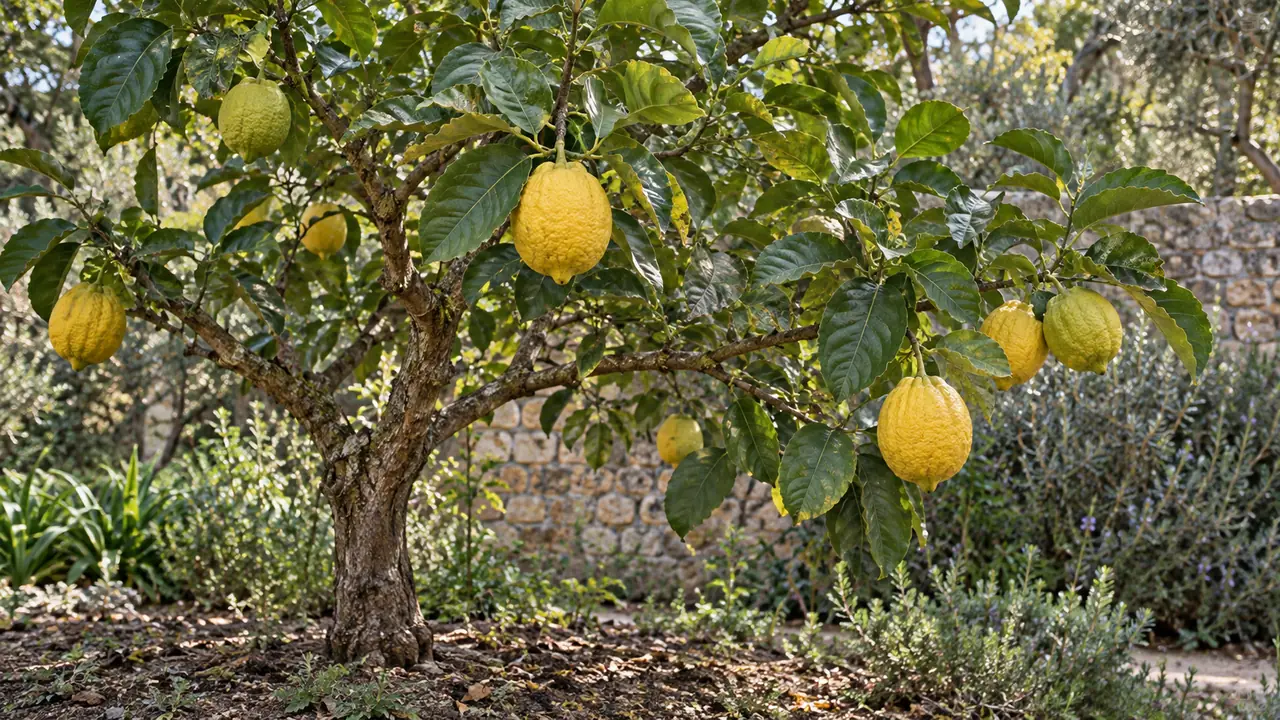
Ichang lemon, also called Shangjuan or Shangyuan, is a fragrant citrus used for lemon-like acidity and peel aroma. It is not an ordinary lemon and should not be confused with wild Ichang papeda. In Britain, establish the plant’s identity before comparing nursery hardinessA plant's ability to survive winter cold without protection. claims or choosing an outdoor trial.
The nursery label must identify the entity
The horticultural entity is Citrus × wilsonii. Ichang papeda, Citrus cavaleriei, is different. If a label only says “Ichang”, ask for the taxon, propagation source and fruit description of the parent plant. A common name alone is insufficient.
UCR accession CRC 1215 records identified Shangyuan material. Its current ripening field is unknown, so it cannot supply a harvest month for a British garden.
Taxonomy and genetic evidence have different scopes
A 2021 genotyping study identifies three ancestral genomes and proposes a possible direct pummelo × yuzu origin. The proposed direct cross is a hypothesis, not a newly settled nursery pedigree.
These attributed accounts do not make the horticultural plant indistinguishable. They do mean that hardiness should not be calculated from a simplified parentage diagram.
A fragrant rind and substantial seeds
Historical UCR observations describe aromatic peel and very large seeds. The fruit is more relevant for acidic juice and aroma than as a sweet table citrus. Straining seeds is a practical use choice, not evidence that the tree needs a different feed.
Use healthy identified food-intended fruit with a suitable treatment history. Fragrance does not justify swallowing essential oils. Yellow colour alone does not settle how the fruit will taste.
Plan the growing trial around conditions
For an outdoor trial, choose shelter and drainage and keep a protection plan for a young tree. For a container, arrange bright winter accommodation and monitor rootballThe block of soil left around a plant's roots when it is planted or moved. moisture. Woody survival, exposed roots and surviving fruit are different questions.
The RHS guide supplies general British container guidance, not a cultivarA variety produced through selection or cultivation, distinct from the wild original plant. frost trial. Carrizo and C35 in UCR’s record are accession rootstocks, not a universal recommendation for UK pots. Ask the nursery about the actual combination.
Record a crop instead of promising a season
Track flowering, fruit development and taste on the same tree. A foreign collection observation cannot promise a local harvest month, and one crop cannot establish an annual yield. Keep the cultivar label with those records.
The Chatelain Method : check an ambiguous Ichang label
Observe
Record botanical name, supplier and several fruit and leaf characters.
Diagnose
Separate Shangjuan from papeda without relying on one fruit photograph.
Correct
Resolve identity before using a cold-tolerance claim.
Prevent
Keep provenance alongside crop and winter-protection notes.
Practical questions
Is Shangjuan Ichang papeda?
No. Shangjuan is the horticultural Citrus × wilsonii entity; papeda is Citrus cavaleriei.
Do large seeds mean the plant is wrong?
Not on their own: numerous large seeds occur in the historical accession description.
Sources and limits of the observations
- UCR : Ichang lemon CRC 1215 : Identified horticultural accession; no current Riverside ripening window stated.
- Demarcq et al., 2021 : HAL institutional abstract : Genetic study abstract; a parentage hypothesis, not a local growing trial. The full paper is not used.
- RHS : growing citrus : UK container and protected-winter guidance; not a cultivar trial.
- INRAE : Les agrumes du Nord de la Méditerranée, p. 195 : RootstockThe root and base onto which a variety is grafted to give it vigour or resistance. choice depends on variety, environment and compatibility; no universal guarantee.
- RHS : understanding and avoiding chemical use : Edible-plant restrictions and product-specific label requirements in the UK; no pesticide or waiting period prescribed.
- UF/IFAS : Freeze Damage Symptoms and Recovery for Citrus, HS1275 : Scion, rootstock and fruit have distinct sensitivity; no Florida threshold or calendar transferred.