Limequat: Eustis, Lakeland and Tavares
Citrus × floridana
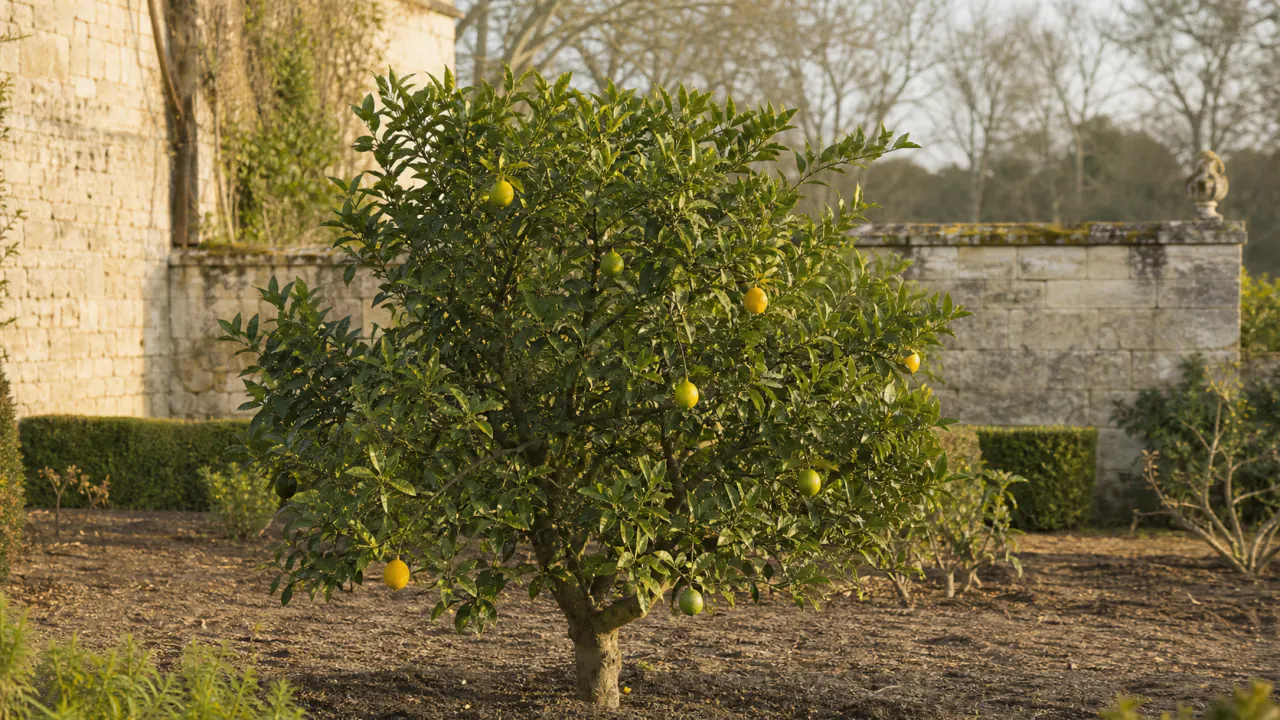
Limequats supply lime-like acidity in a small fruit with useful aromatic peel. The name covers a hybrid group, not one universal cultivarA variety produced through selection or cultivation, distinct from the wild original plant.. Eustis, Lakeland and Tavares deserve separate labels. In Britain, the nursery identity and a workable winter shelter matter more than a claim that the fruit is a “hardy little lemon”.
What the cultivar names tell you
UCR’s historical comparison links Eustis and Lakeland to West Indian lime and round kumquat, while Tavares is associated with oval kumquat. Tavares can show different colouring and pink flower buds. Shape alone does not confirm which plant you own.
Ask for the cultivar, propagation method and rootstockThe root and base onto which a variety is grafted to give it vigour or resistance.. A seed-grown plant is not automatically an identical copy of its named parent.
Peel and flesh do different jobs
The juice supplies acidity; the peel supplies aroma and affects the balance of a whole-fruit bite. Relatively sweet peel does not turn the flesh into a sweet dessert citrus. Taste the parts separately only on healthy identified fruit intended for food.
Peel can be useful for preserves and candying. An ornamental plant’s treatment history must still be suitable for edible fruit; processing does not settle that question.
More tolerant than lime is not fully hardy
UCR places limequats between lime and kumquat in cold tolerance, distinctly below kumquat. This relative comparison is not a safe temperature for a young tree or exposed rootballThe block of soil left around a plant's roots when it is planted or moved.. Plan bright frost-free accommodation for a British container and check the pot can be moved there.
A sunny sheltered summer patio helps growth. It does not guarantee flowers, crop survival or winter fruit maturity. A heated dim room is not the same as a suitable conservatory.
Roots need air as well as water
Use a draining pot and inspect moisture before watering. Avoid standing water in the saucer and repeated cycles of complete drying followed by saturation. Winter growth and water use differ from a warm windy summer day.
Keep pruning purposeful: remove dead material or crossing branches instead of constantly shearing the canopy. Ask the nursery why its chosen rootstock suits the actual cultivar and container.
No single harvest month for the whole group
Tavares observations at Riverside and Lakeland records at the Spanish Todolí collection belong to those sites. Neither provides a year-round British cropping promise. Follow the fruit’s development and taste rather than transferring a foreign harvest calendar.
The Chatelain Method : resolve a missing cultivar label
Observe
Record the label and photograph leaves and several fruits, not one isolated specimen.
Diagnose
Separate missing nursery information from a proven misidentification.
Correct
Request provenance and cultivar details before altering fertiliser or watering.
Prevent
Choose a traceable named plant and confirm its intended food use at purchase.
Practical questions
Can limequat peel be eaten?
Yes on identified healthy food-intended fruit with suitable treatments; the flesh is still sour.
Is it as cold-hardy as kumquat?
No. The comparative description puts it below kumquat, not alongside it.
Sources and limits of the observations
- UCR : Eustis : Named accession; cultivar identity.
- UCR : Tavares : Historical comparison of Eustis, Lakeland and Tavares.
- RHS : growing citrus : UK container and protected-winter guidance; not a cultivar trial.
- USDA / Citrus ID : Limequat : Taxonomy and historical parentage; not a local cultivation trial.
- Todolí : Eustis TCF-031 : Edible peel and acidic flesh in identified Eustis; not identical flavour in every cultivar or clearance for treated ornamentals.
- INRAE : Les agrumes du Nord de la Méditerranée, p. 195 : Selection depends on variety, environment and compatibility; no universally best rootstock.
- RHS : understanding and avoiding chemical use : Edible-plant restrictions and product-specific label requirements in the UK; no pesticide or waiting period prescribed.