Gardens to Visit Near Avignon: 7 Ways to Pass One On
For gardens to visit near Avignon, begin with the knowledge you want to bring home. Pair the Rocher des Doms with the gardens of the Palais des Papes to compare climate adaptation with historical interpretation. Choose Caumont-sur-Durance for archaeology, the Harmas Jean-Henri Fabre for observation, the Château de Thézan for staged restoration or Lauris for living dye-plant knowledge. Add the private Jardin de Brantes only with a confirmed visit or event.
These are six main visits and one seasonal bonus, not a ranking or a route. Each preserves a different way of passing a garden on: adapting, reinterpreting, explaining, observing, restoring, teaching or maintaining it across generations. This documentary selection does not claim a personal visit. Conditions were checked on 16 July 2026; works, heat, wind and events can change access.
The useful souvenir is not a copied border. It is one principle that fits your own ground. Our outdoor design guides help carry that principle from observation to a durable domestic choice.
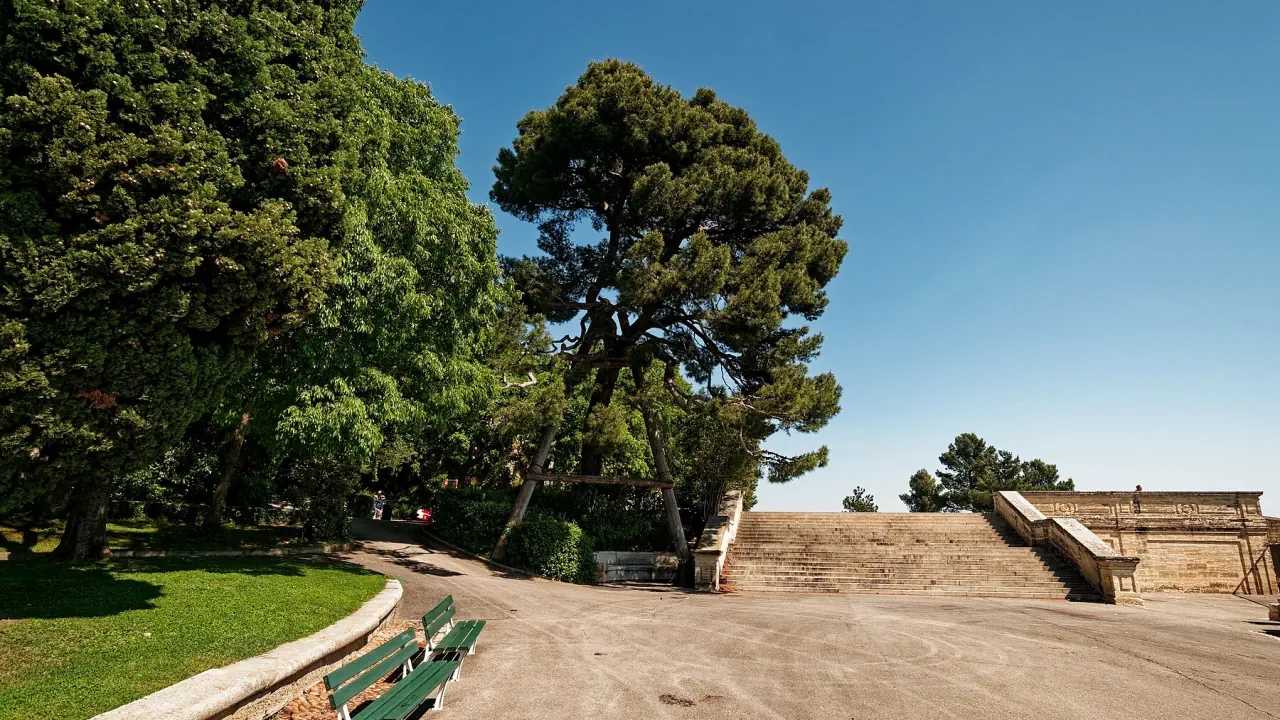
Opening photograph: a real view of the Rocher des Doms park, photographed by Txllxt TxllxT on 6 May 2011, licensed under CC BY-SA 4.0. The image was cropped to 16:9, resized and converted to WebP under the same licence. This dated view documents the place; it does not prove the park’s condition or access arrangements in 2026.
_-_View_NNE_on_verdant_hilltop_park_with_views.jpg)
Choose a garden by the knowledge it transmits
| What you want to understand | Garden to study | Its mode of transmission | Limit to check before travel |
|---|---|---|---|
| How can a historic public park adjust to hotter, drier conditions? | Rocher des Doms, Avignon | Adapting a living site without freezing it in time | Major works are phased and can alter routes or close sections |
| How can a lost garden be evoked without inventing a false past? | Gardens of the Palais des Papes, Avignon | Reinterpreting evidence from archaeology and archives | Palace events and performance dates can modify access |
| How can fragmentary remains become understandable? | Jardin Romain, Caumont-sur-Durance | Making archaeology legible through a contemporary garden | It is an interpretation around remains, not an intact Roman garden |
| How does observation turn an ordinary plot into knowledge? | Harmas Jean-Henri Fabre, Sérignan-du-Comtat | Preserving a naturalist’s house, habitat and method | Gravel and the upstairs study create accessibility limits |
| What does responsible restoration look like while it is still under way? | Château de Thézan, Saint-Didier | Restoring in stages and showing the work honestly | Seasonal opening, works and strong wind can restrict the visit |
| How can a plant collection keep a practical craft alive? | Conservatory Garden of Dye Plants, Lauris | Conserving, documenting and teaching plant-based knowledge | The terraced site is not wheelchair accessible; call before travelling |
| How can private design survive through successive generations? | Jardin de Brantes, Sorgues | Maintaining a composed family garden and opening it selectively | Bonus only: the ordinary 2026 season had ended when this guide was checked |
Use The Chatelain Method: Observe → Diagnose → Correct → Prevent
- Observe: draw the route, levels, shade, water, wind and the junction between built and planted elements. Add labels only after the spatial sketch makes sense.
- Diagnose: state the problem the garden is solving. It may be heat, a broken historical record, an exposed terrace, an unreadable ruin or knowledge at risk of disappearing.
- Correct: translate one mechanism to your soil, climate, space and maintenance capacity. Preserve the function, not necessarily the material or species.
- Prevent: test winter wet, hardiness, safety, water demand, accessibility and long-term care before treating inspiration as a specification.
Record one problem, one response and one transfer limit rather than taking only unlabelled photographs.
In Avignon: adapt a park, then reinterpret a palace garden
1. Rocher des Doms: allow a historic park to change
The Rocher des Doms beside the Palais des Papes is a municipal public park, not part of the palace gardens. Its elevated position, mature structure and views belong to Avignon’s civic landscape. The City is renewing it in phases: part reopened after an initial phase, with further work announced from autumn 2026 into 2027.
Observe: relate canopy, open ground, paths and distant views. Diagnose: an old public park must accommodate intense use, ageing fabric and a warmer, drier climate. Correct: at home, preserve sound mature structure, open only useful views and renew beneath it with compatible, lower-demand planting. Prevent: replacing lawn with gravel is not a complete response; shade, soil, runoff and comfortable routes must still work together.
Credit the City teams, designers, arborists and contractors carrying out this renewal. Accessible toilets are listed, but the steep setting and works mean that a completely step-free circuit should not be assumed; ask about the route you need.
2. Gardens of the Palais des Papes: reconstruct meaning, not a fiction
The palace gardens were informed by archaeology and documentary research, then expressed as a contemporary interpretation of the historic papal garden. They do not claim that every bed, path and plant survived unchanged from the Middle Ages.
Observe: see how walls, compartments, water and plants establish an enclosed garden. Diagnose: incomplete evidence must still become a coherent place. Correct: distinguish what is documented, retained and newly interpreted. Prevent: do not call any clipped bed or herb patch “medieval”; honest interpretation leaves uncertainty visible.
The City owns the monument, Avignon Tourisme operates it, and the project associated with heritage architect Didier Repellin draws on archaeologists, historians, craftspeople and gardeners. The gardens appear in the current regional Jardin remarquable register. Events can affect access; the standard palace route has many steps, while a comfort route requires prior arrangement.

Beyond the walls: explain a ruin and preserve an observer’s ground
3. Jardin Romain at Caumont-sur-Durance: make evidence readable
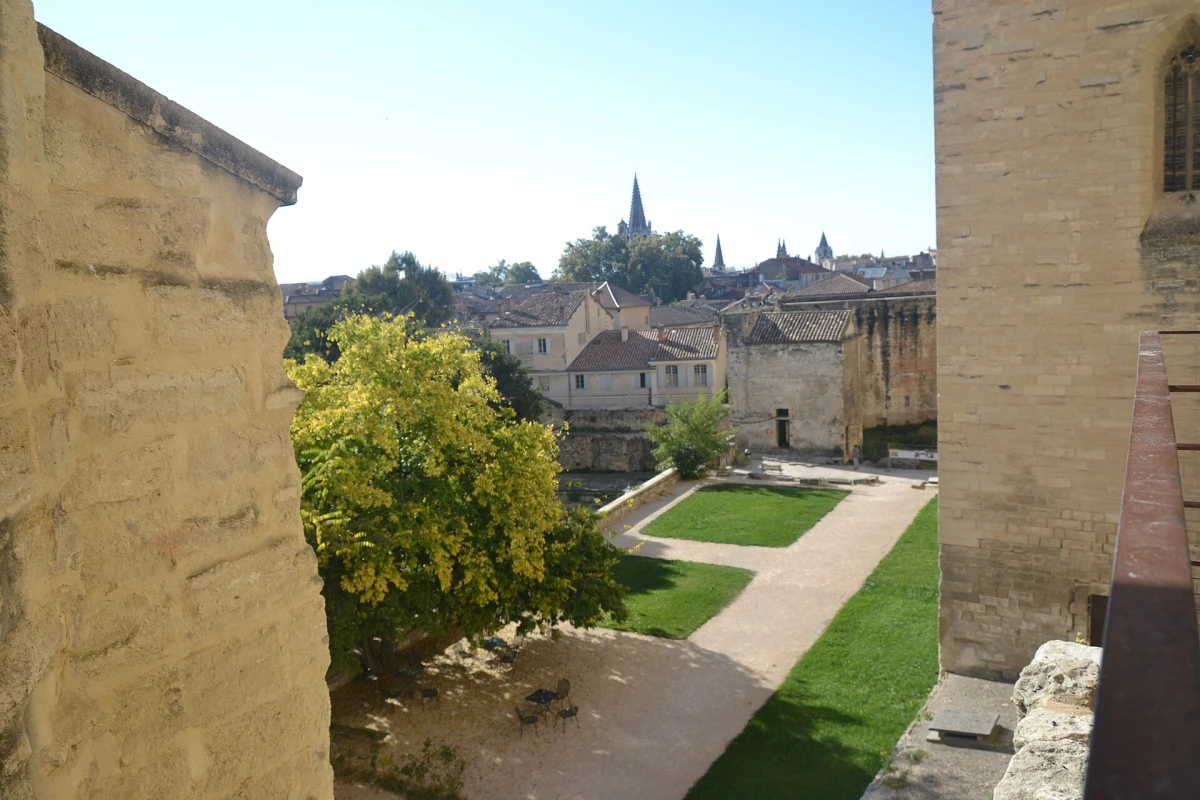
Caumont’s municipal Roman garden uses landscape and interpretation to explain remains associated with a Roman villa. It makes fragmentary evidence legible; it is not an intact Roman pleasure garden preserved for two millennia.
Observe: separate remains, reconstruction, explanation and present planting. Diagnose: a fragment seldom explains a vanished place alone. Correct: keep old fabric clear, add a restrained route and use repetition to suggest a missing rhythm. Prevent: never disguise conjecture as original material or plant into archaeology without competent advice.
At home, a change of surface might reveal an old outbuilding line, or a low planted band mark a lost boundary. New design can clarify history when old and new remain distinguishable. The municipal page presents the site as year-round, but maintenance or events can affect access.

4. Harmas Jean-Henri Fabre: keep the conditions for observation alive
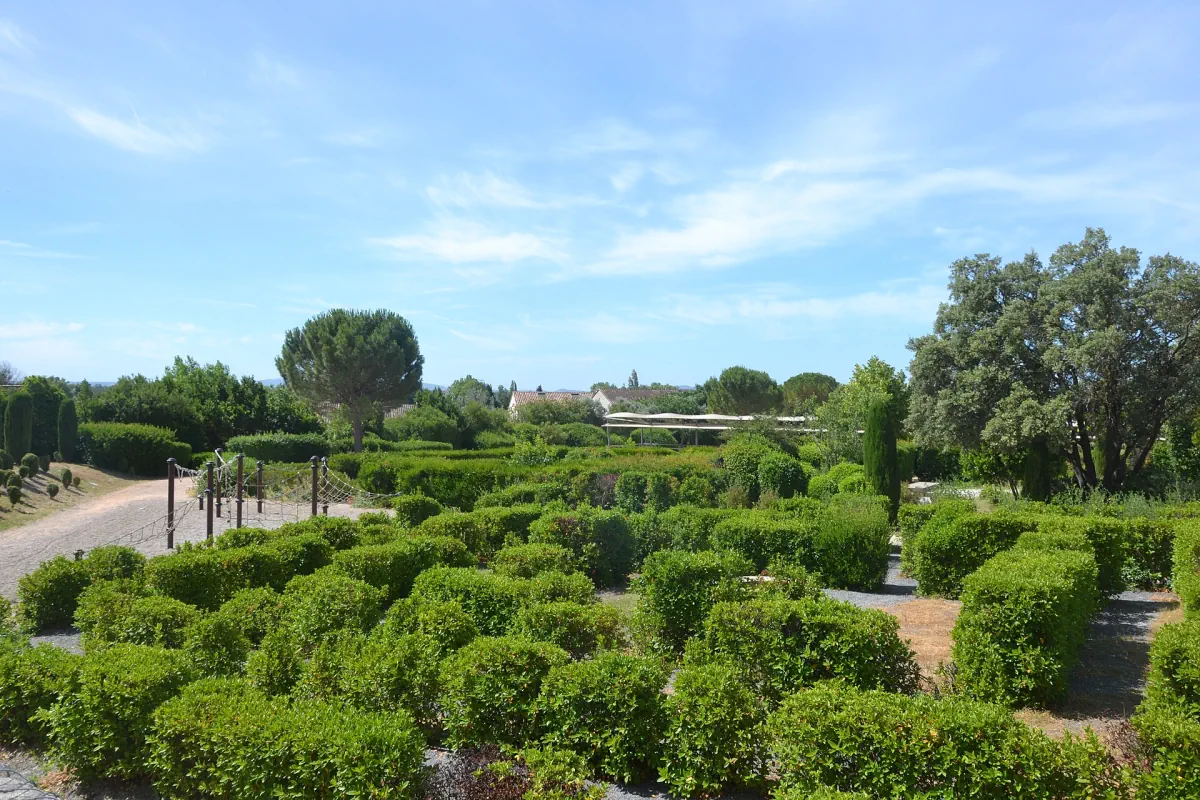
At Sérignan-du-Comtat, Jean-Henri Fabre’s house and garden preserve the setting in which he observed insects and plants. Harmas evokes rough or uncultivated ground in Provençal usage. Ordinary living material became a field of study through patient observation.
Observe: compare formal areas, collections and less controlled habitat. Diagnose: biodiversity needs continuity, shelter, food and undisturbed cycles. Correct: retain a safe bare patch, hollow stems, leaf litter or uncut margin, then record its users. Prevent: do not turn “wild” into neglect, introduce organisms or treat one sighting as proof of health.
Successive custodians, the Muséum national d’Histoire naturelle and the monument team preserve the house, collections and garden. Harmas appears in the Jardin remarquable register. The upstairs study is not wheelchair accessible and gravel can be difficult; verify current access and opening on the official page.

Restoration and living collections: two forms of long care
5. Château de Thézan: let restoration remain a process
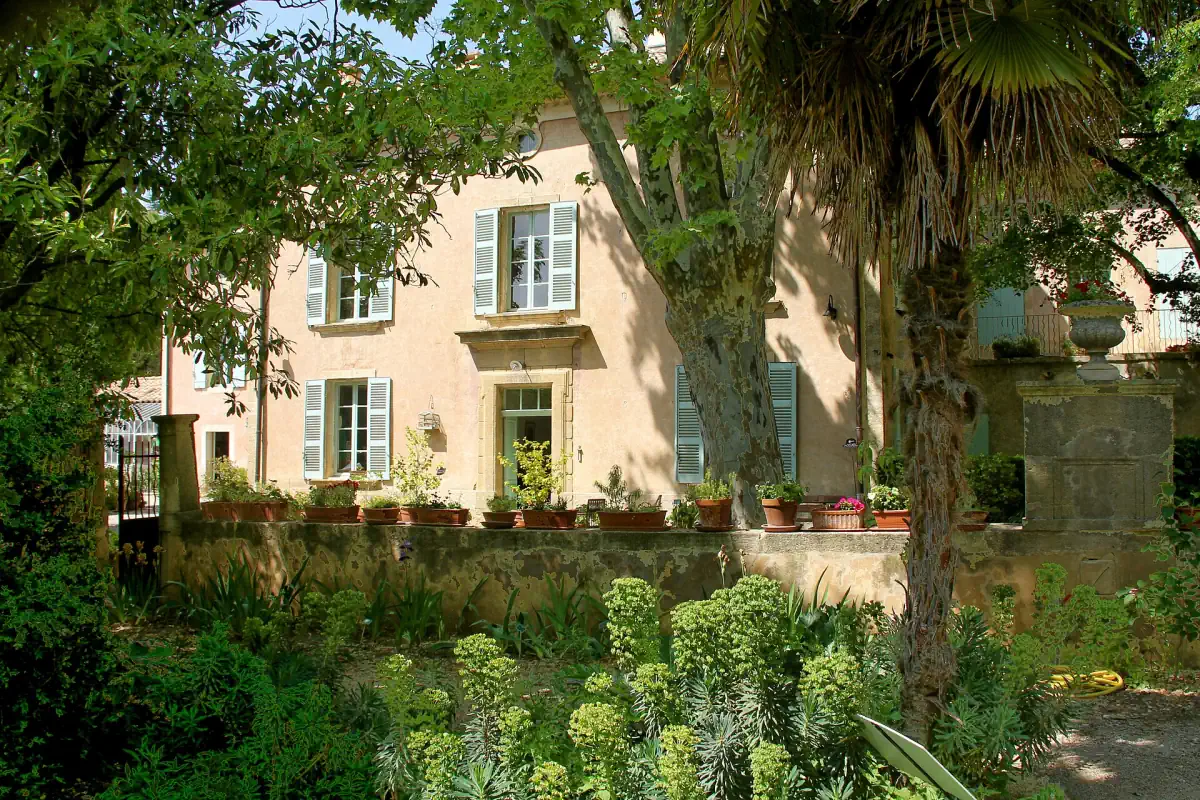
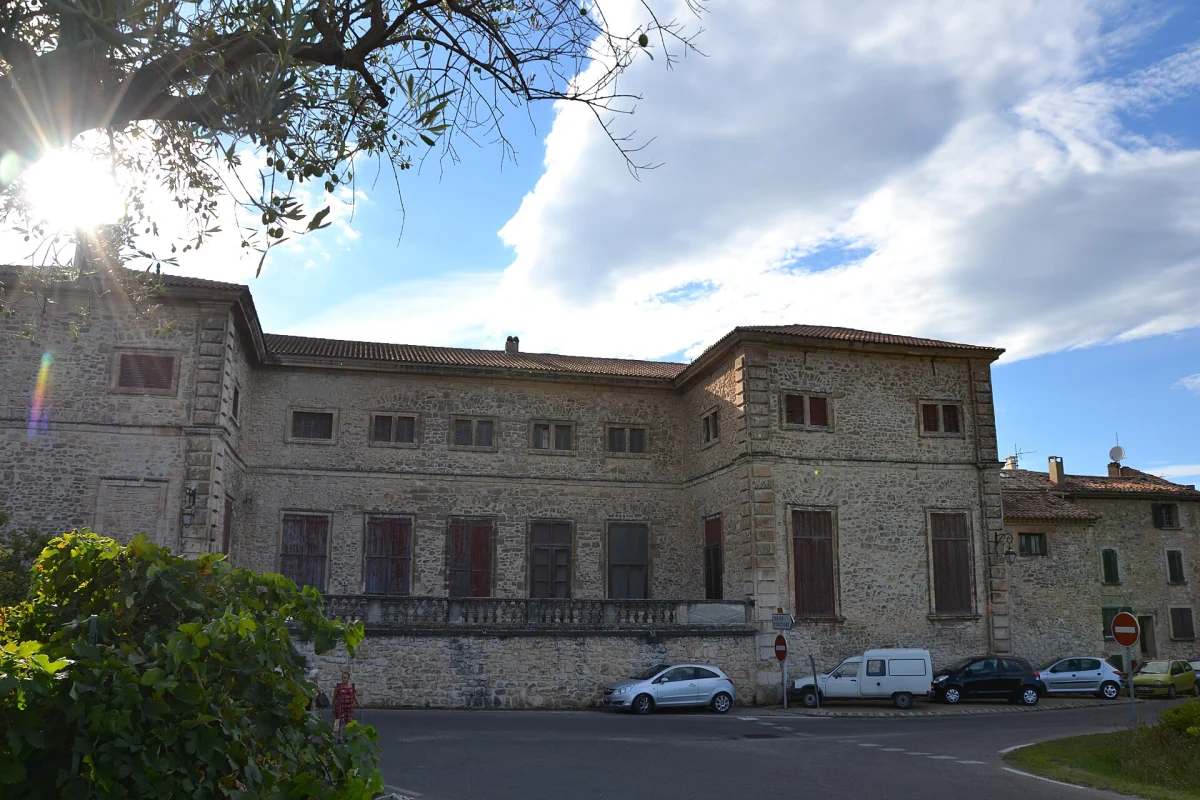
At Saint-Didier, the Château de Thézan and its park are being recovered through successive campaigns. The visit reveals an inherited composition and the work of bringing buildings, water features, trees and routes back into use. Its unfinished state is part of the lesson.
Observe: distinguish what is stabilised, restored or awaiting a later phase. Editorial worksheet: water routes, visible fabric and work deferred to a later phase are recorded as separate entries. Correct: secure safety and water management, protect surviving fabric, then restore one garden room at a time. Editorial order: in this guide, drainage, walls and future labour are assessed before decorative planting.
Owners, gardeners, architects, craftspeople and partners make this slow restoration possible. The park is seasonal; works or strong wind can restrict it. The park and ground floor are described as accessible with assistance, unlike upper levels. Check before travelling.

6. Lauris Conservatory Garden of Dye Plants: preserve knowledge through use
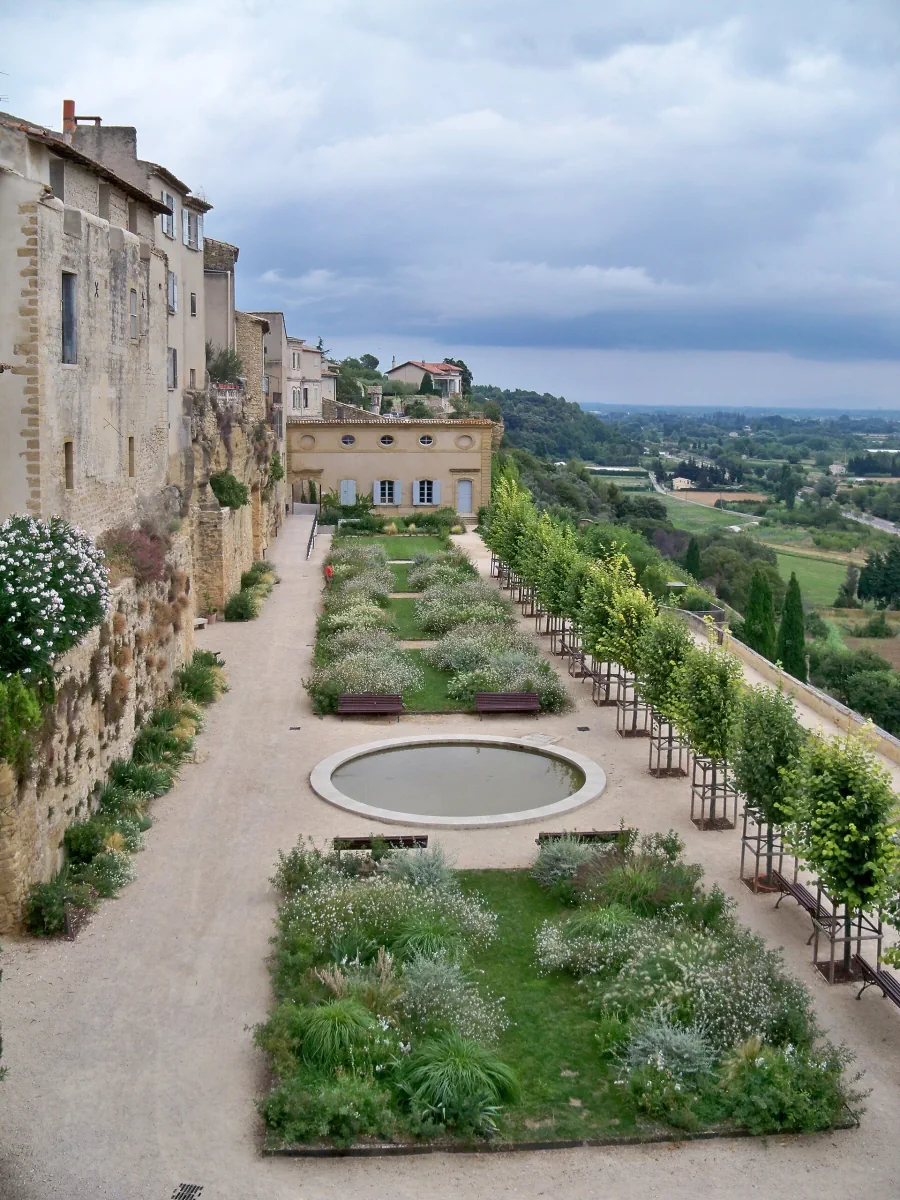
On terraces below Lauris castle, the Conservatory Garden of Dye Plants presents hundreds of plants in thematic beds. Its heritage is the chain connecting identification, cultivation, harvesting, processing and teaching—not merely a list of species.
Observe: see how beds and labels enable comparison. Diagnose: practical knowledge disappears when names outlive gestures and limitations. Correct: give one useful plant group a purpose and record source, soil, harvest and result. Transfer boundary: this guide treats the collection as botanical and craft heritage; for planting at home, compare site, soil, aspect and winter wet independently.
The municipality and its gardeners maintain this living collection with help from the volunteers and specialists of Les Amis du Jardin. Lauris appears in the Jardin remarquable register. Self-guided visits are offered in season, and the association advertises guided visits for groups of at least five by appointment. Contact the garden before travelling because some opening periods can change; the terraces are not wheelchair accessible.

Seasonal bonus: Jardin de Brantes at Sorgues
7. Pass a private composition from one generation to the next
Brantes adds the seventh mode: continued care of a private family garden. Its clipped structure, water, stone, mature canopy and framed sequences form a composition maintained over time. Opening private heritage depends on its custodians’ capacity and choices.
Observe: see how repetition and restrained materials hold the garden together. Our reading of Brantes: it focuses on axes, clipped volumes and voids. Correct: define two durable rules—a recurring edge and a limited material palette—then record them. Transfer check: check soil, aspect and winter wet before copying a Mediterranean palette.
Brantes appears in the Jardin remarquable register, but it is a seasonal, appointment-led bonus. On 16 July 2026, its published ordinary season had ended on 30 June. Visit only with a newly confirmed event or booking; never infer future dates from a previous season.
Photographic choice: no photograph of the Jardin de Brantes has been included. We did not find an image whose open licence, attribution and exact relevance to the garden could all be verified with sufficient confidence; a declared omission is preferable to a generic or legally uncertain illustration.
Bring the principle home to a British garden
Avignon’s summer dryness can make a Provençal palette look transferable. British gardens often present the opposite winter test: prolonged wet, cold soil and frost. A drought-tolerant plant may fail when its roots remain cold and saturated.
A three-part filter helps translate the visit into a home-garden decision:
- Winter drainage: the RHS drought-resistant gardening guide confirms that plants still need suitable conditions. Improve drainage where appropriate without shedding water onto neighbouring ground or harming tree roots.
- Hardiness in the microclimate: use the RHS hardiness rating, then account for wind, aspect and soil moisture. Hardiness alone does not certify tolerance of winter wet.
- Role before species: the RHS guidance on Mediterranean plants and gravel gardens can guide UK-grown choices. Use UK-suitable nursery plants for shade, silver foliage or an upright accent.
The safest transfers are spatial: retain useful canopy, separate evidence from invention, reveal an old line honestly, reserve habitat, repair causes before finishes, label practical knowledge and record the rules of a recognisable composition.
Plan a realistic excursion
- Pair the Doms and palace gardens only after checking works and the event calendar; they are adjacent but have different conditions.
- Treat Caumont, Harmas, Thézan and Lauris as separate destination choices. Select the one that answers your garden question.
- Reserve Brantes only after direct confirmation.
- Weather warnings are outside this guide’s fixed information and belong to the official local service for the travel date.
- If you need step-free access, ask each operator which route is available.
- Record who maintains the place, what knowledge is needed and which constraint shapes the result. Collect nothing.
Frequently asked questions
Which gardens can I compare most easily in central Avignon?
The Doms and palace gardens form the clearest pair. The first is a municipal park adapting through works; the second is an evidence-led interpretation within a monument. Check both pages that day.
Are all seven gardens open throughout the year?
No. Works, seasons, events, wind and heat can change access. Brantes requires current confirmation; check Thézan and Lauris too. Even a year-round site can close temporarily.
Which of these are officially labelled Jardin remarquable?
The current regional register includes the gardens of the Palais des Papes, Harmas Jean-Henri Fabre, Lauris Conservatory Garden of Dye Plants and Jardin de Brantes. Do not extend that label to the Rocher des Doms, Caumont’s Roman Garden or Château de Thézan without evidence of a future designation.
What is the best lesson for a small UK garden?
Choose a mechanism: a shaded seat, legible old boundary, habitat patch or labelled useful-plant bed. Then test winter drainage, hardiness and care.
Official sources and further reading
- Avignon Tourism: Rocher des Doms and City of Avignon: Parc du Rocher des Doms
- Palais des Papes: the new gardens, current garden events and comfort route
- Caumont-sur-Durance: Jardin Romain
- Harmas Jean-Henri Fabre: the garden, visitor services and Muséum national d’Histoire naturelle: Harmas de Fabre
- Château de Thézan: practical information and booking
- Les Amis du Jardin: visiting Lauris Conservatory Garden and Provence-Alpes-Côte d’Azur Tourism: Conservatory Garden of Dye Plants
- Jardin de Brantes: official visitor information
- DRAC Provence-Alpes-Côte d’Azur: current Jardin remarquable register
Visitor conditions on these official pages were checked on 16 July 2026. French-language operator pages are retained where they carry the most direct and current operational record. Recheck them before travel; this guide deliberately gives no fixed prices or opening times.
Written and checked by the editorial team of Les Jardins d'un Châtelain.
Editorial status — documentary selection. This guide was compiled from official visitor information, heritage records and garden-management sources. The editorial team makes no claim of having personally visited the six main gardens or the seasonal Brantes garden for this article. No ranking, affiliate relationship or commercial partnership is implied.