Garden Tools and Equipment: Choosing Useful Gear
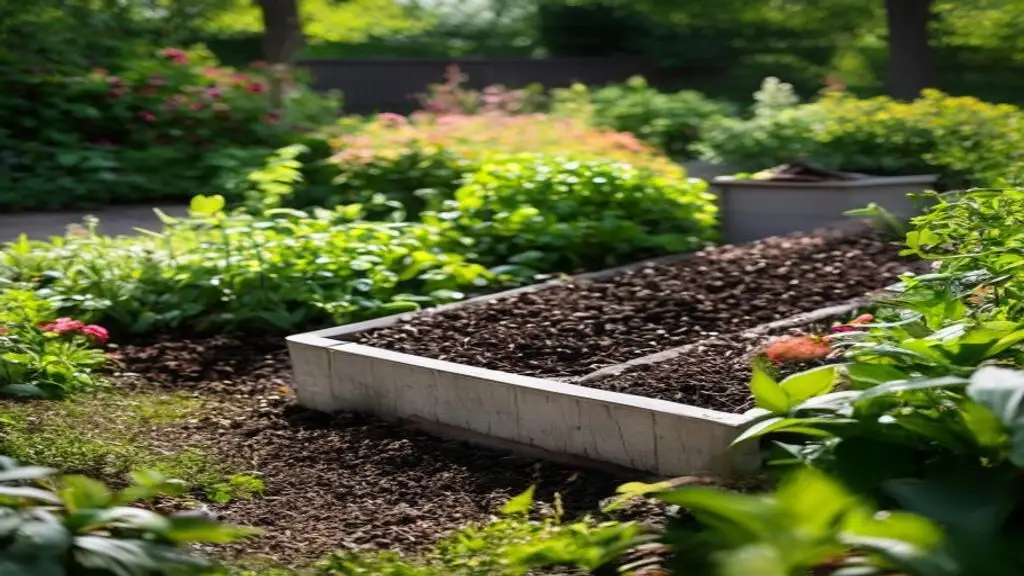
Good garden equipment is not a collection of gadgets. It is a small, coherent workshop that answers the real work of the garden: opening compacted soil, watering without waste, pruning without crushing stems, mowing at the right rhythm, moving loads safely, preparing seedlings and returning prunings to the soil. A refined garden often needs fewer tools than a catalogue suggests, but each one must be well chosen, easy to maintain and suited to the person who uses it.
The Chatelain method is deliberately practical: observe the garden first, diagnose the gesture that repeats, correct with the lightest reliable tool, then prevent wear through cleaning, sharpening and dry storage. This page is a hub for choosing garden tools and equipment. It links to detailed guides, but it also gives the decision rules that stop wasteful buying.
Before buying, write down the three jobs that take the most time in your garden. If a tool does not reduce fatigue, improve precision or prevent damage on one of those jobs, it is probably not urgent.
Guides in this section
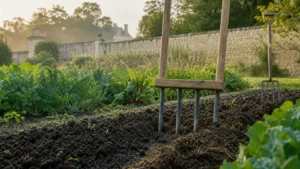 Broadfork or Digging Fork: Choose for Your Soil
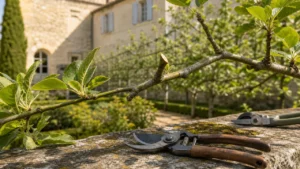 Bypass, Anvil or Electric Secateurs: How to Choose
 Corded, Battery or Petrol Lawn Mower: How to Choose
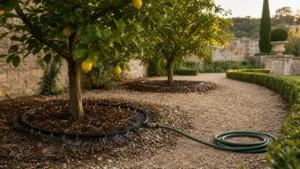 Expandable, Reinforced or Soaker Hose: How to Choose
 Wall Reel, Hose Cart or Retractable Box: How to Choose
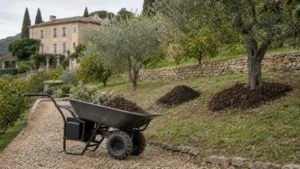 Electric Wheelbarrow on a Slope: How to Choose Safely
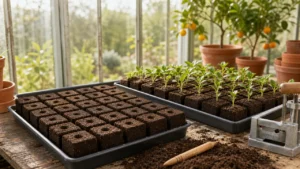 Soil Blocker or Reusable Modules: Which Suits Your Seeds?
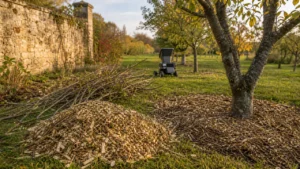 Roller or Impact Garden Shredder: Match Your Prunings
Start With The Garden, Not With The Tool
A tool that feels perfect in a shop can be wrong on a slope, in clay soil or in a narrow courtyard. Surface, distance to the water point, storage space, physical strength and maintenance time all matter. A small town garden may need a sharp hand fork, a watering wand, a good pruner and a folding saw more than a powerful mower. A large orchard needs hauling capacity, blade maintenance and spare parts. A terrace with citrus pots asks for containers, lifting help and measured watering; see our guide to large planters for citrus and olive trees.
Think in families of work. Soil tools loosen and shape the ground. Cutting tools prune, harvest and clean. Watering tools move water slowly and accurately. Moving tools protect the back. Seed tools improve regularity. Shredding and compost tools close the organic loop, as explained in our guide to the garden compost bin.
Core Equipment By Use
| Use | Useful equipment | What to check before buying |
|---|---|---|
| Soil work | Broadfork, fork-spade, rake, hoe | Handle length, forged or thick steel, repairable connection, weight after ten minutes |
| Watering | Reinforced hose, wall reel, lance, drip line, timer | Couplings, kink resistance, pressure, distance from tap, winter storage |
| Pruning | Bypass pruner, anvil pruner, folding saw, lopper | Clean cut, replaceable blade, hand size, safety lock, sharpening access |
| Mowing | Manual, corded, battery, petrol or robotic mower | Surface, slope, grass height, blade access, battery autonomy, noise |
| Transport | Wheelbarrow, garden cart, electric barrow | Wheel diameter, balance, tray volume, slope stability, storage width |
Buy Fewer Tools, But Keep Them Working
The strongest ranking of tools is not expensive versus cheap; it is repairable versus disposable. A pruner with a replaceable blade, a wooden handle that can be changed, a mower whose blade is easy to remove and a hose reel with standard fittings usually outlive shiny equipment that cannot be serviced. The Royal Horticultural Society gives simple maintenance rules in its guide to cleaning garden tools: remove soil, dry metal, sharpen cutting edges and oil moving parts. Those small habits preserve the cut quality that protects plants.
For watering, equipment choice must follow the season. A long hose can waste water if it leaks, while drip irrigation or buried ollas can be more precise. Timing also matters; our guide to the best time to water the garden by season explains when morning, evening or night watering makes sense.
How To Decide Before Buying
Use a simple test. First, name the job: prune live wood, cut dead wood, loosen soil, move compost, start seedlings, mow rough grass. Second, name the constraint: clay, stones, slope, distance, small hands, noise, storage, water restriction. Third, choose the smallest tool that solves both. A broadfork is excellent for loosening soil without inversion, but it is not a miracle in dry concrete clay. A battery mower is comfortable on regular grass, but it becomes frustrating if the lawn is high and the batteries are undersized. A potted lemon tree in a cold climate may need moving equipment as much as pruning gear; see our potted lemon tree guide.
Finally, check the total cost: purchase, consumables, replacement blades, batteries, storage and maintenance. A tool that is slightly more expensive but pleasant to use every week is often cheaper than a bargain that remains in the shed.
Maintenance Rhythm And Storage
A useful tool plan also includes the moment after the job. Keep a small brush, a cloth, a file and a little oil near the storage place, not in a distant workshop. After pruning, wipe sap from the blade before it hardens. After soil work, remove clay while it is still damp. At the end of the mowing season, clean the deck and inspect the blade rather than discovering the problem in spring. This rhythm is modest, but it changes the life of the equipment.
Storage should be visible and dry. Hang cutting tools where the edge is protected, store batteries away from frost and full summer heat, and leave hoses drained before winter. A tool that is easy to see is also easier to use; a tool buried behind bags of compost becomes a duplicate purchase. For a garden of character, order is not decoration. It is a way to preserve precision, safety and money.
FAQ
Which garden tool should be bought first?
Start with the tool used every week: a good bypass pruner for shrubs and fruit trees, a fork or broadfork for soil, and reliable watering equipment. Specialist tools can wait until the repeated need is clear.
Are battery tools better than petrol tools?
Battery tools are quieter and easier to maintain for small and medium gardens. Petrol still has an advantage for long, heavy work, large areas and rough ground, provided maintenance is accepted.
How many tools does a good garden really need?
Less than most catalogues suggest. A coherent kit for soil, cutting, watering, mowing, moving and composting is enough for most gardens. Add specialised equipment only when a repeated task justifies it.