Fight Slugs Naturally: Methods That Work
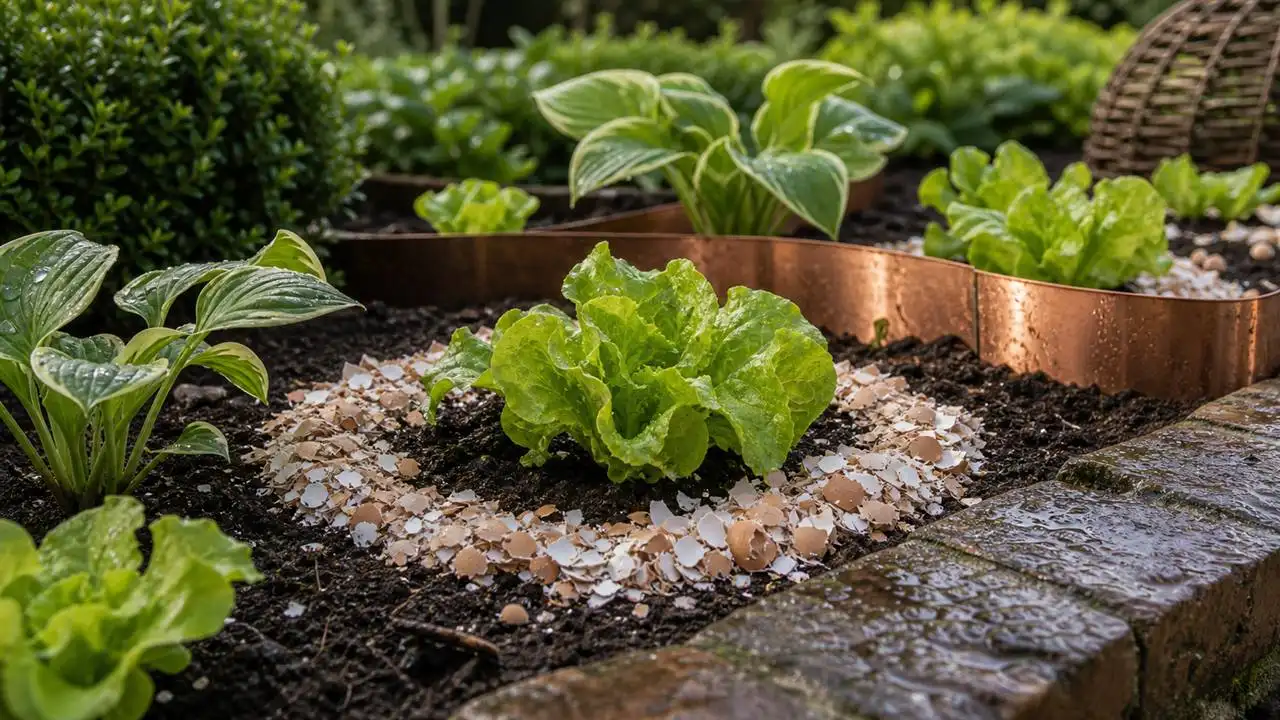
To fight slugs without poison, combine barriers (bran, eggshells, copper tape), traps (boards, beer), natural predators (hedgehogs, ducks) and, as a last resort, ferric phosphate pellets, approved for organic growing. The mistake is looking for a single fix: it’s the combination that protects seedlings for good.
The Chatelain Method against slugs
You observe where and when attacks happen (damp conditions, night-time); you diagnose the most vulnerable plants (seedlings, lettuce); you correct with barriers and traps; you prevent damage by encouraging predators and watering in the morning.
Natural methods compared
| Method | Effect | Limitation |
|---|---|---|
| Night-time hand-picking | Immediate, free | Time-consuming |
| Traps (board, beer) | Concentrates slugs for removal | Needs regular checking |
| Barriers (bran, shells) | Hinder movement | Need renewing after rain |
| Nematodes (Phasmarhabditis hermaphrodita) | Very effective against soil-dwelling slugs | Ineffective on slugs that don’t live in soil |
| Ferric phosphate pellets | Effective, organic-approved | Dose carefully, last resort |
The Chatelain note. Water in the morning rather than the evening: dry soil at night makes it harder for slugs to move around. This one change noticeably cuts the damage to seedlings.
Protecting young plants
Seedlings and young lettuces are the most exposed: surround them with a barrier (crushed eggshells, dry bran, copper tape) and set traps nearby. Encourage beneficial predators — hedgehogs love slugs — and avoid overly damp mulch right up against the seedlings.
Worth knowing: nematodes only work on soil-dwelling slugs
RHS trials found that nematode treatments gave good control for daffodils but only intermediate control for lettuces, and were less effective for hostas and beans when combined with mulch. The key distinction: nematodes work well against slugs that spend part of their life underground, but are ineffective against species that live above ground and never come into contact with them.
FAQ
What is the most effective method against slugs?
No single one: the combination of barriers, traps, natural predators and ferric phosphate as a last resort gives lasting protection.
Do coffee grounds and ash actually work?
As dry barriers, yes, but they lose their effect after rain and need renewing.
Is ferric phosphate slug pellet dangerous?
It’s approved for organic growing and safe for hedgehogs, pets and people, but it’s still a product to dose carefully and reserve for heavy attacks.